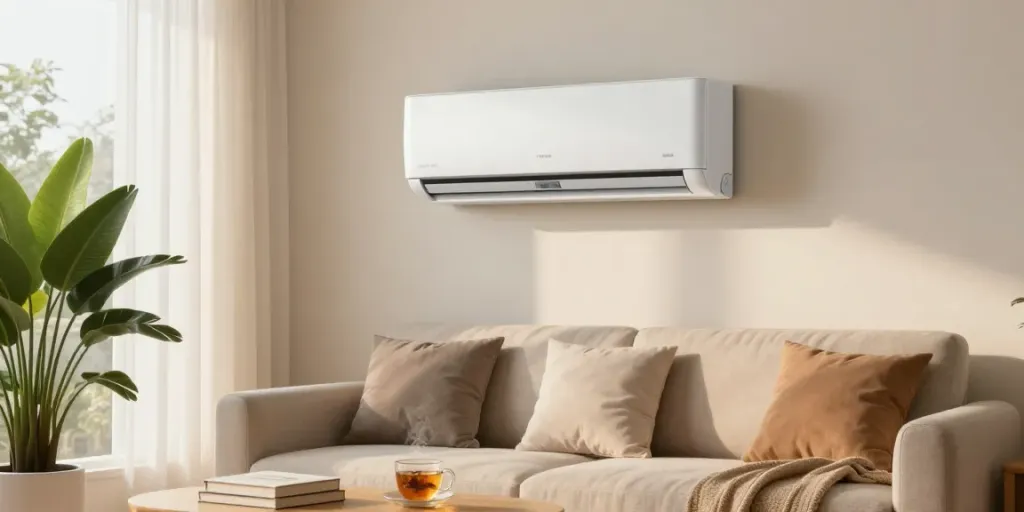
Understanding Mini Split Technology
In today's world where energy efficiency and comfort are paramount, mini split systems have emerged as an effective solution for heating and cooling residential and commercial spaces. Unlike traditional HVAC systems, mini splits provide flexible climate control without the need for ductwork, making them an appealing choice for homeowners and renters alike. This technology harnesses advanced engineering to deliver targeted heating and cooling, resulting in reduced energy costs and increased comfort levels.
What is a Mini Split System?
A mini split system, often referred to as a ductless mini split, consists of two primary components: an indoor unit and an outdoor condenser. This configuration allows for a compact installation and provides more control over individual room temperatures. Mini splits can efficiently cool or heat single rooms or even multiple zones within a home, offering a versatile system tailored to specific needs.
How Mini Splits Work: The Basic Principles
At the core of mini split technology is the heat pump principle, which allows these systems to transfer heat rather than generate it. In cooling mode, the indoor unit absorbs heat from the room and transfers it to the outdoor unit, while in heating mode, the process reverses, drawing heat from the outside air and pushing it indoors. This efficient method not only enhances comfort but also minimizes energy consumption, making mini splits a smart choice for eco-conscious users.
Advantages of Ductless Mini Split Systems
- Energy Efficiency: Mini splits are known for their high SEER (Seasonal Energy Efficiency Ratio) ratings, often exceeding traditional systems by a significant margin.
- Flexible Installation: Without the need for ductwork, mini splits can be installed in a variety of locations and configurations, ideal for both new builds and retrofits.
- Zone Control: Homeowners can tailor temperatures for each room or zone, allowing for personalized comfort and further energy savings.
- Quiet Operation: The indoor units operate more quietly than traditional systems, making them suitable for bedrooms and other quiet spaces.
Choosing the Right Mini Split for Your Space
When selecting a mini split system, it is essential to match the unit's capacity with the size and layout of the space. Understanding your requirements will enable you to make an informed decision that maximizes efficiency and effectiveness.
Factors to Consider: Room Size and Layout
The capacity of a mini split system is measured in BTUs (British Thermal Units). To find the right size unit, consider the room's size, ceiling height, insulation quality, and how many windows it has. For example, a small room may only need a unit with 9,000 BTUs, while a larger open area might require 24,000 BTUs to ensure optimal cooling and heating performance. Consulting with a professional can help determine the most effective configuration for your specific environment.
Energy Efficiency Ratings Explained
Energy efficiency ratings such as SEER and HSPF (Heating Seasonal Performance Factor) provide valuable insights into the performance of mini split systems. A higher SEER rating indicates better energy efficiency, which translates into lower energy bills. For example, a unit with a SEER rating of 20 is significantly more efficient than one rated at 14, making it a wise investment for long-term savings.
Cost Analysis: Budgeting for a Mini Split Installation
The total cost of installing a mini split system can vary widely based on factors such as the number of units needed, the complexity of the installation, and regional labor costs. On average, homeowners can expect to pay between $1,500 and $5,000 for a complete system. It’s essential to factor in potential energy savings over time, as many mini splits will significantly lower heating and cooling costs when compared to traditional HVAC systems.
Installing Your Mini Split System
Whether you choose to install your mini split system yourself or hire a professional, understanding the installation process is crucial to ensure optimal performance and reliability.
DIY Installation vs. Professional Help
While some homeowners opt for DIY installation due to the perceived cost savings, mini split systems require specific technical knowledge, particularly in refrigeration and electrical systems. For those who are more confident in their skills, DIY kits are available that simplify the process, but professional installation is often recommended for the best results and warranty compliance.
Step-by-Step Installation Guide
- Choose the appropriate location for both the indoor and outdoor units to maximize airflow and efficiency.
- Mount the indoor unit on the wall and ensure it is level.
- Install the outdoor unit and connect the refrigerant lines, power supply, and drainage lines.
- Follow the manufacturer's instructions for electrical connections and system charging.
- Test the system for proper operation before sealing and securing all connections.
Common Installation Mistakes to Avoid
A few common mistakes can compromise a mini split system’s efficiency and performance:
- Inadequate insulation around pipes and connections can lead to energy loss.
- Improperly sizing the system can result in heating or cooling inefficiencies.
- Failing to clear the area around the outdoor unit can restrict airflow, undermining performance.
Maintaining Your Mini Split System
Regular maintenance is vital for ensuring the longevity and efficiency of your mini split system. By following a structured maintenance plan, you can enhance its performance and minimize repair costs.
Routine Maintenance Tips for Longevity
- Clean or replace air filters monthly to ensure optimal airflow and efficiency.
- Inspect and clean the outdoor unit regularly to prevent debris buildup, which can hinder performance.
- Have a professional technician perform a thorough inspection and maintenance service annually.
Signs Your Mini Split Needs Repairs
Be vigilant for warning signs that may indicate a need for repair:
- Inconsistent temperatures across different rooms.
- Strange noises coming from the unit, such as rattling or grinding.
- Increased energy bills without a corresponding change in usage.
Enhancing Efficiency: Best Practices for Usage
To maximize your mini split system’s efficiency, consider implementing these best practices:
- Set your thermostat to a moderate temperature; avoid extreme settings.
- Utilize energy-saving modes available on many modern systems.
- Seal windows and doors to minimize air leaks.
The Future of Mini Split Systems in 2026 and Beyond
As technology evolves, so too will the capabilities and features of mini split systems. Keeping an eye on emerging trends will help you make informed choices now and in the future.
Emerging Trends in Mini Split Technology
In 2026, we're likely to see improvements in energy efficiency standards, with many systems adopting advanced inverter technology that allows for even more precise temperature control while consuming less energy. Additionally, new refrigerants with lower global warming potential are entering the market, making systems more environmentally friendly.
Impact of Smart Home Integration on Mini Splits
The integration of smart home technology is revolutionizing the HVAC space, with mini splits becoming more user-friendly through features like app-based controls and compatibility with smart home ecosystems. This allows users to monitor and adjust their systems remotely, significantly enhancing comfort and convenience.
Sustainability in Heating and Cooling: Future Directions
The push for sustainability is driving innovation in the HVAC industry. Expect to see mini splits becoming more eco-friendly with improved energy efficiency and reduced emissions. Manufacturers are increasingly focusing on creating systems that not only meet but exceed energy regulations, ensuring a sustainable future for climate control options.
Which brand of 110v mini split system is best?
When selecting a brand, consider factors such as reliability, energy efficiency, warranty, and customer support. Brands like Mitsubishi, Daikin, and LG are often at the forefront of user satisfaction and performance in the 110v category.
What are the disadvantages of a mini split?
Some potential downsides to mini split systems include higher upfront costs compared to traditional systems and the visual impact of having indoor units mounted on walls. Additionally, proper installation is critical; poor installation can affect performance and efficiency.
What is the typical cost of installing a mini split system?
The installation costs can vary based on several factors, including the number of zones, system capacity, and labor rates in your area. Generally, installation costs range from $1,500 to $5,000.
Do mini splits run up the electric bill?
While mini splits are designed to be energy-efficient, improper sizing and maintenance can lead to higher operational costs. However, when sized and maintained correctly, they typically produce lower energy bills compared to traditional HVAC systems.
How to troubleshoot common mini split issues?
Common troubleshooting steps include checking the thermostat settings, ensuring the filters are clean, and inspecting the outdoor unit for blockages. If problems persist, contacting a qualified HVAC technician is recommended.