Understanding the Different Types of Crayons
Crayons have been a staple in the world of art and creativity since their inception, offering a wide range of applications for both children and adults alike. Among crayon manufacturers, the various types of crayons available can cater to specific artistic needs, making them an essential tool for various creative projects. In this section, we will explore the different types of crayons, discussing their unique properties and uses.
Overview of Wax Crayons and Their Uses
Wax crayons are perhaps the most recognized type of crayon, consisting of a mixture of wax and pigment. Their smooth application and vibrant colors make them particularly popular among young artists. Wax crayons are often used for coloring books, school projects, and beginner art classes, providing a user-friendly option for a diverse age range. They come in various grades, with some designed specifically for younger children, offering a softer consistency that is easy to manipulate.
Benefits of Using Plastic Crayons for Creative Projects
Plastic crayons have emerged as a versatile alternative to traditional wax crayons, created from synthetic materials that allow for a variety of shapes and designs. These crayons are particularly advantageous for projects requiring precision and detail. Their durability makes them ideal for young children who may be prone to breaking traditional wax crayons. Additionally, plastic crayons can often be used on a wider range of surfaces, such as plastic, metal, and canvas, expanding their application in creative projects.
Why Fabric Crayons Are Revolutionizing Textile Art
Fabric crayons offer a unique solution for artists interested in textile art and design. These specially formulated crayons allow users to draw directly on fabric and, once heat-set, the designs become permanent. The ability to wash the fabric without fading adds to their appeal, transforming everyday items like T-shirts and tote bags into personalized art. This innovation has made fabric crayons a beloved medium in art classes and crafting sessions for both children and adults.
Choosing the Right Crayon Manufacturers
When selecting crayon manufacturers, it's essential to consider several factors that will impact the quality and suitability of the products you are interested in. Different manufacturers can provide varying levels of quality, cost, and customization options, which can significantly affect your projects and budget.
Factors to Consider When Selecting Manufacturers
- Quality of Products: Investigate the materials used in production. Higher-quality crayons are likely to produce better results in both color vibrancy and durability.
- Reputation and Reviews: Research customer feedback and industry reputation. Established manufacturers often have a track record of reliability.
- Customization Options: Some manufacturers offer personalized crayons or specific shapes that may be beneficial for your project.
- Pricing and Minimum Order Quantities (MOQ): Understand the cost implications and minimum purchase requirements, as they vary widely among suppliers.
Comparing Quality and Cost Among Suppliers
Quality and cost are often at odds in the crayon manufacturing industry. While a lower price point may seem attractive, it’s crucial to evaluate whether the crayons meet your quality expectations. Comparing samples from different vendors is a practical way to assess both quality and pricing, ensuring you get the best value for your investment.
Top Crayon Manufacturers in 2026: Who to Trust
As the crayon market evolves, several companies have proven their reliability and excellence in manufacturing. Companies like Crayola and Faber-Castell are known for their commitment to quality and innovation, while others may offer specialized products that cater to niche markets. In 2026, it's advisable to keep an eye on emerging brands as they may bring fresh perspectives to crayon design and manufacturing.
Innovative Trends in Crayon Manufacturing
The crayon manufacturing sector is not static; it is consistently adapting to meet the demands of contemporary artists and environmental concerns. Understanding the latest trends can help consumers make informed choices about their artistic supplies.
Sustainable Practices in Crayon Production
With increasing awareness of environmental issues, many crayon manufacturers are implementing sustainable production practices. This entails using eco-friendly materials, such as soy wax or beeswax, which are biodegradable. The trend reflects a growing consumer preference for products that contribute positively to the environment. As a result, brands that prioritize sustainability are often more appealing to eco-conscious customers.
The Impact of Technology on Crayon Design
Advancements in manufacturing technology are also influencing crayon design. High-tech processing methods allow for unique color blends and textures that were previously unattainable. 3D printing, for example, has enabled manufacturers to create intricate crayon shapes that can enhance the artistic experience, making art not just about the final product but about the process as well.
Future Trends for Crayon Manufacturers in the Arts Industry
Looking ahead, the crayon industry is likely to see a blend of traditional practices with modern innovations. Manufacturers are expected to explore new materials that are both high-quality and sustainable, while digital integration may pave the way for interactive art experiences. The increasing popularity of DIY crafts will also influence crayon designs and packaging, catering to a more hands-on creative community.
Creative Applications of Crayons
Crayons are not merely tools for young children; they have diverse applications across all age groups and skill levels. Understanding these applications can inspire new uses and projects that showcase the versatility of this art medium.
Using Crayons in Educational Settings
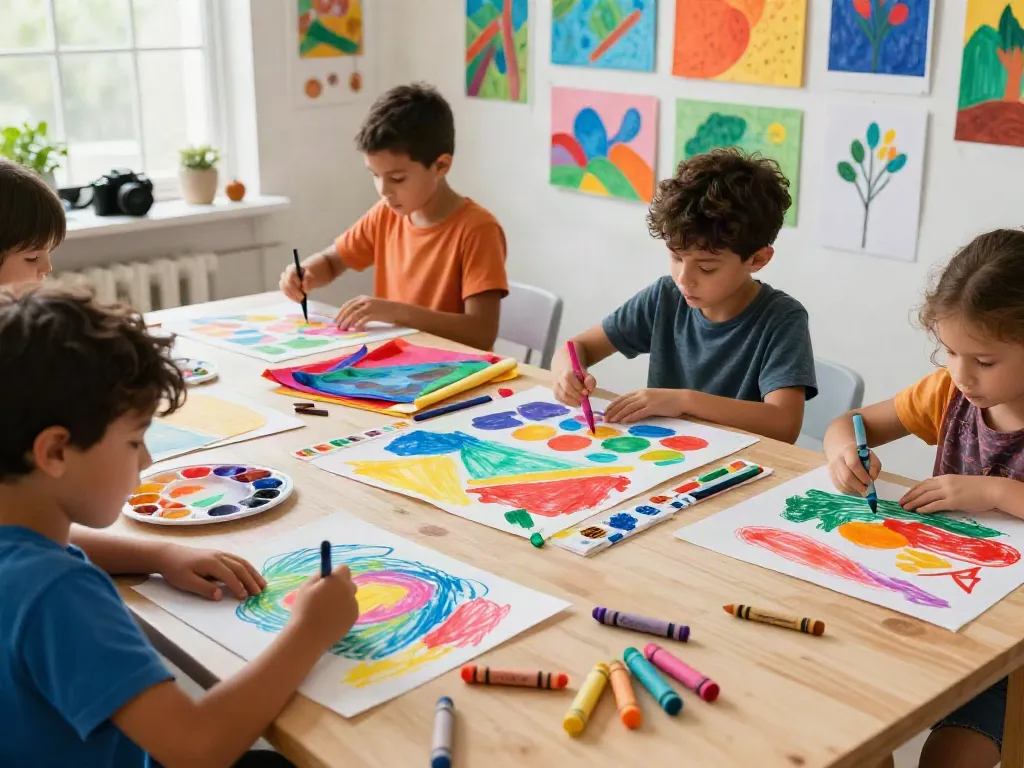
Crayons play a vital role in education, serving as foundational tools for teaching art to children. They help develop fine motor skills, enhance creativity, and promote self-expression. Incorporating crayons into lesson plans allows educators to engage students in various subjects, from art history to science, by having them illustrate concepts through color.
Artistic Projects: Inspiring Ideas for All Ages
For adults, crayons can be employed in unique projects such as adult coloring books, mixed media art, or as part of collaborative community art initiatives. From creating large-scale murals to designing personalized gifts, the possibilities are limitless. Crayon art can also be integrated with various techniques, such as melting crayons to create vibrant wall art or using them in photography for creative backdrops.
Combining Crayons with Other Art Supplies for Unique Effects
To achieve original effects, many artists pair crayons with other materials. For example, combining crayons with watercolors can produce stunning results, as the wax resists water, creating interesting textures and layering. Artists may also experiment by using crayons alongside pastels or markers to broaden their color palette and techniques.
Evaluating Performance and Safety Standards
Safety is paramount when it comes to selecting art supplies, especially those intended for children. Understanding performance and safety standards is crucial for manufacturers and consumers alike, ensuring that crayons are safe for use.
Understanding Safety Regulations for Children’s Art Supplies
Crayon manufacturers must comply with rigorous safety regulations to ensure their products are non-toxic and safe for children. Regulatory bodies often provide guidelines that influence manufacturing processes, materials used, and testing protocols. Parents looking for safe coloring options should seek crayons that clearly state compliance with these safety standards.
Performance Metrics: How to Measure Quality
Assessing the performance of crayons involves examining factors such as color payoff, durability, and ease of use. High-quality crayons should deliver consistent color application without breaking or smudging. Conducting hands-on tests during the selection process can help identify brands that excel in these metrics, ensuring that consumers invest in products that meet their expectations.
Staying Compliant with International Standards for Crayon Manufacturers
International standards play a significant role in the crayon manufacturing industry, influencing how products are developed and marketed. Compliance ensures that manufacturers meet global safety and quality benchmarks, providing consumers with confidence in their purchases. Manufacturers that prioritize compliance are often viewed favorably in the marketplace, making them more competitive among peers.
Conclusion
The world of crayons is broad and varied, with numerous types catering to different artistic needs and preferences. As consumers become more discerning about the products they use, crayon manufacturers must adapt by emphasizing quality, sustainability, and safety in their offerings. By staying informed about trends and innovations, artists and educators can effectively choose the right crayons to inspire creativity and learning. Whether for school, home projects, or professional art, crayons remain a beloved choice for bringing visions to life.