Understanding Elevate Epoxy Flooring
Elevate Epoxy Flooring represents a significant advancement in concrete surface solutions, transforming ordinary floors into stunning, durable spaces. Ideal for both residential and commercial applications, epoxy flooring offers not only aesthetic appeal but also unparalleled functionality. With a variety of options available, including flake and metallic finishes, this flooring solution meets the diverse needs of any area. When exploring options, Elevate Epoxy Flooring provides comprehensive insights to elevate your concrete surfaces.
What is Elevate Epoxy Flooring?
Elevate Epoxy Flooring is a type of high-performance coating developed to bond with concrete surfaces. It consists primarily of a two-component system, combining resin and hardener, which creates a strong, durable surface upon curing. This flooring solution is especially popular in garages, commercial spaces, and even residential interiors due to its versatility and strength.
Benefits of Using Epoxy on Concrete Surfaces
- Durability: Epoxy resin creates a hard, protective layer that is resistant to cracking, chipping, and peeling.
- Stain Resistance: Its non-porous nature offers excellent resistance against spills and stains, making it ideal for high-traffic areas.
- Easy Maintenance: Epoxy floors require minimal upkeep; regular sweeping and occasional mopping are typically sufficient.
- Aesthetic Variety: Available in various colors and finishes, epoxy can be customized to suit any design preference.
Common Misconceptions About Epoxy Flooring
Despite its popularity, several misconceptions about epoxy flooring still exist. One notable myth is that epoxy floors are slippery. While it is true that some finishes can be slick, adding anti-slip additives can mitigate this issue. Additionally, many believe that epoxy flooring is only suitable for garage applications; however, it is equally effective in kitchens, basements, and commercial settings.
Choosing the Right Colors and Flakes
Exploring the Best Selling Colors for Epoxy Flooring
The color palette for epoxy flooring is extensive, allowing homeowners to choose hues that complement their decor. Popular choices include classic grey, which offers a sleek look, and vibrant shades like blue or red that can add a unique flair to any space. Incorporating flakes into the design can further enhance the visual depth and texture of the floor.
How Color Choices Impact Room Aesthetics
Color selection plays a crucial role in the overall ambiance of a room. Lighter colors can make a space feel larger and more expansive, while darker shades can impart a sense of warmth and coziness. When selecting colors for epoxy flooring, consider the existing elements in the room, such as the walls and furniture, to create a harmonious environment.
Utilizing the Flakes Color Chart for Personalization
Flakes offer an exciting way to personalize your epoxy flooring. By mixing different colors and sizes of flakes, you can create a custom look that reflects your style. Utilizing a flake color chart can help visualize combinations before application, allowing for informed decisions on the final design.
Application Techniques for Success
Preparing Your Concrete Surface for Epoxy
Proper preparation is vital for a successful epoxy flooring installation. Start by thoroughly cleaning the concrete surface to remove any debris, oil, or contaminants. Follow this by repairing any cracks or imperfections to ensure a smooth base. A light grinding of the floor may also be necessary to enhance adhesion.
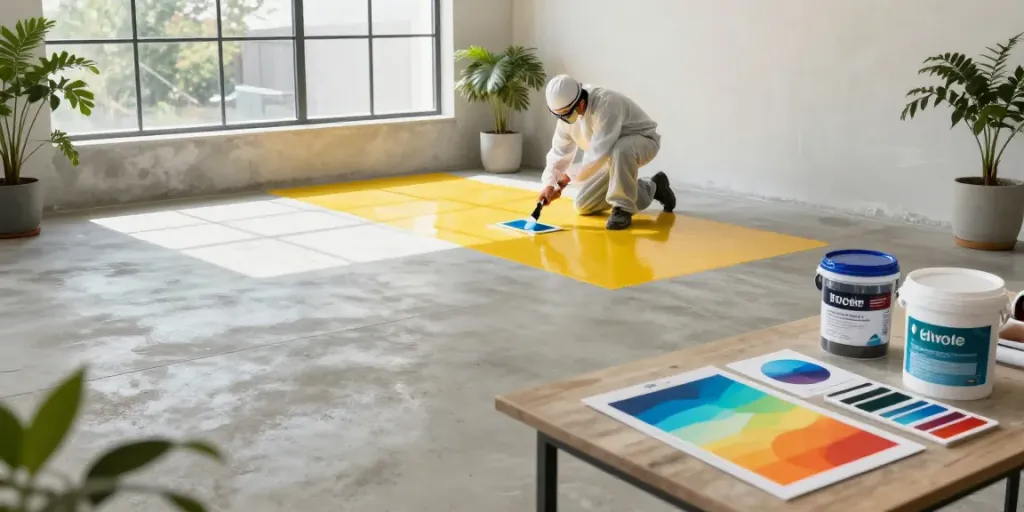
Step-by-Step Guide to Applying Elevate Epoxy Flooring
- Mixing: Combine the resin and hardener as per the manufacturer's instructions, ensuring an even mix.
- Priming: Apply a primer to the concrete surface to enhance adhesion.
- Pouring: Begin pouring the mixed epoxy onto the concrete starting from one corner and working towards the exit.
- Spreading: Use a squeegee to evenly distribute the epoxy across the surface.
- Flake Application: If using flakes, spread them evenly over the wet epoxy for the desired effect.
- Curing: Allow the epoxy to cure according to the manufacturer's recommendations before walking on or applying weight to the surface.
Common Mistakes to Avoid During Application
Avoiding common pitfalls during the application of epoxy flooring is critical to achieving a successful finish. These include failing to properly prepare the concrete surface, disregarding temperature and humidity guidelines, and not allowing enough curing time. Each of these oversights can lead to subpar results.
Maintenance and Care for Epoxy Floors
Proper Cleaning Techniques for Long-lasting Results
To maintain the beauty and integrity of your epoxy floor, implement regular cleaning routines. Use a soft-bristled broom or vacuum to remove dust and debris, followed by mopping with a mild detergent and water solution. Avoid abrasive cleaners that could scratch or dull the surface.
Identifying and Fixing Common Epoxy Issues
Some common issues with epoxy floors include bubbling and peeling. These problems can often be identified during regular inspections. Bubbling can result from moisture trapped beneath the surface, while peeling may indicate improper adhesion. Both issues can typically be remedied by careful repair and repouring of affected areas.
Expert Tips for Keeping Your Floors Looking New
- Avoid Harsh Chemicals: Stick to pH-neutral cleaners to prevent damage.
- Use Mats and Rugs: Place high-traffic mats at entry points to minimize wear and tear.
- Regular Inspections: Periodically check for signs of damage or wear and address them promptly.
Future Trends in Epoxy Flooring (2026 and Beyond)
Innovations in Eco-friendly Epoxy Solutions
As eco-consciousness continues to rise, the demand for eco-friendly epoxy solutions is expected to grow. Innovations in materials that reduce VOC emissions will become increasingly important, allowing homeowners to choose products that align with their sustainability values.
Predicted Design Trends for Residential Spaces
In terms of design, we predict a shift towards more artistic and creative applications of epoxy flooring. Techniques like marbling and incorporating multi-dimensional effects will gain popularity, allowing homeowners to create unique, eye-catching floors.
The Future of Low VOC Products in Flooring Applications
Low VOC products will likely dominate the market as awareness of the harmful effects of high VOC emissions increases. This shift will not only improve indoor air quality but also broaden the appeal of epoxy flooring options.
What Are the Benefits of Using VOC-free Materials?
Utilizing VOC-free materials comes with numerous advantages, including reduced health risks for occupants and lower environmental impact. These materials often cure faster and provide similar performance benefits to traditional epoxy, making them an attractive option for modern flooring solutions.
How to Choose the Right Contractor for Your Epoxy Flooring Project?
Selecting an experienced contractor is crucial for a successful epoxy flooring project. Look for providers with a proven track record in epoxy installation, positive reviews from previous clients, and a thorough understanding of the specific materials. Always request a detailed quote and timelines to ensure transparency throughout the project.