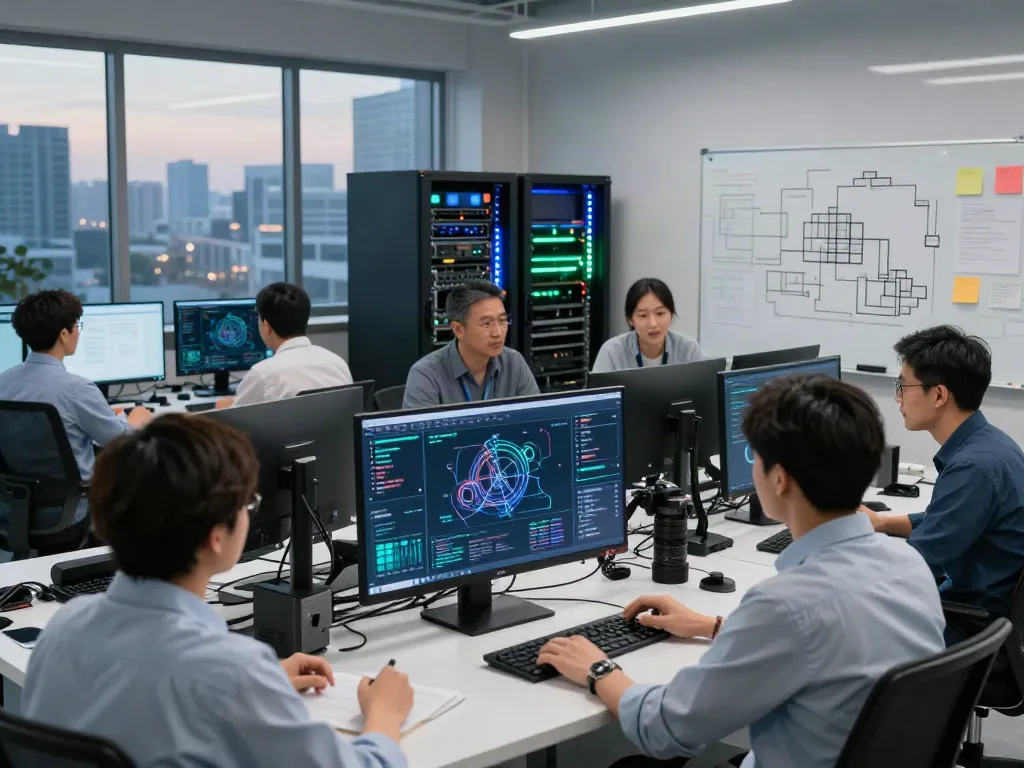
Understanding AI Infrastructure: Basics and Importance
As the foundation of artificial intelligence (AI) services, AI infrastructure plays a vital role in the deployment, management, and scalability of AI applications. In an era where businesses are increasingly relying on AI technologies for decision-making, efficiency gains, and data insights, a robust infrastructure becomes essential. This article delves into the intricacies of AI infrastructure, its key components, and the significance of power supply within this ecosystem. Let’s explore how effective AI infrastructure can drive success across various sectors.
What is AI Infrastructure?
AI infrastructure refers to a comprehensive combination of hardware and software that facilitates the development, deployment, and operation of AI algorithms and models. It encompasses various components, including:
- Compute Resources: High-performance GPUs and TPUs designed to handle AI workloads efficiently.
- Storage Solutions: Scalable data storage systems that can manage large datasets, which are crucial for training AI models.
- Networking: Robust networking infrastructure enabling fast data transfer between compute and storage resources.
- Software Tools: AI frameworks and libraries that empower developers to build machine learning models easily.
Key Components of AI Infrastructure
Ensuring that AI systems perform optimally involves several crucial components:
- Data Acquisition: Access to high-quality data is foundational in training effective AI models.
- Model Training: Compute power, primarily through GPUs, is required for training complex models on extensive datasets.
- Deployment and Scalability: The infrastructure must allow easy scaling to meet user demand and service growth.
- Monitoring and Maintenance: Continuous monitoring ensures that AI systems operate correctly and can be adjusted as needed.
The Role of Power in AI Infrastructure
Power supply is an often-overlooked yet critical aspect of AI infrastructure. With the substantial energy requirements of modern GPUs and data centers, effective power management is necessary for optimizing performance and reducing operational costs. Reliable power sources also help minimize downtime, ensuring that AI workloads can be processed consistently and efficiently.
How 51 AIpower Enhances AI Infrastructure
51 AIpower is at the forefront of developing a scalable and efficient AI infrastructure network. This organization’s innovative power plans are designed to support the unique energy needs of AI factories, creating a seamless connection between energy supply and AI computational demands.
Overview of 51 AIpower's Network
The 51 AIpower network connects various power resources with AI factory operations, ensuring that AI workloads receive the necessary electricity. This multi-regional power coverage allows for flexibility and adaptability in meeting the energy demands of different AI applications. By efficiently coordinating power supply with computing requirements, 51 AIpower enhances the overall effectiveness of AI infrastructure.
Power Plans and Their Benefits
51 AIpower offers various power plans tailored to different business needs. These plans include:
- Core Power Access: Basic support for standard workloads.
- Enhanced Power Access: Improved capacity for more demanding applications.
- Advanced Power Access: High-capacity plans for large-scale operations.
These plans allow users to select a suitable level of support based on their operational requirements, facilitating effective management of AI resources.
Case Studies of Successful Implementations
Numerous organizations have successfully implemented the 51 AIpower infrastructure, leveraging its capabilities to optimize their AI initiatives. For instance, a leading enterprise in the financial sector utilized 51 AIpower to enhance its fraud detection algorithms, achieving a significant reduction in processing times and operational costs. Such case studies demonstrate the tangible benefits of integrating 51 AIpower’s services into AI infrastructure strategies.
Participating in the AI Token Economy
Engaging in the AI Token Economy is made easy with 51 AIpower, where individuals and businesses can contribute to the energy needs of AI infrastructure without the need to build their own data centers. Here’s how individuals can get involved:
How to Activate Your Power Plan
To participate, users can choose from various power plans that suit their requirements. Activation is straightforward, allowing users to start contributing to AI factory operations quickly. Once activated, users can begin tracking their contributions and rewards.
Tracking Your Contributions and Rewards
51 AIpower provides a transparent contribution tracking system that calculates rewards based on the electricity supported and the operational performance of the AI workloads. This ensures users are fairly compensated for their participation in the AI ecosystem.
Impact of Participation on AI Token Metrics
Participating in the AI Token Economy has significant implications on token metrics. As users contribute power, they enable the processing of AI tokens, which are essential for measuring the usage of AI models. This not only reinforces the value of participating users but also enhances the overall efficiency of the AI infrastructure.
Challenges and Solutions in AI Infrastructure
While building AI infrastructure presents numerous opportunities, it also poses challenges that require proactive solutions. Understanding these challenges can assist organizations in navigating their infrastructure journey effectively.
Common Obstacles in Building AI Infrastructure
Some prevalent challenges include:
- High Costs: The initial investment in hardware and software can be significant.
- Complexity of Management: Managing resources and workloads efficiently requires specialized skills and knowledge.
- Scalability Issues: As AI workloads grow, scaling existing infrastructure can become complicated.
Best Practices for Maximizing Resource Efficiency
To address these challenges, organizations can adopt several best practices:
- Invest in Scalable Solutions: Utilize cloud services that allow for on-demand scaling based on workload needs.
- Implement Efficient Resource Management Tools: Use software that provides visibility into resource allocation and usage.
- Leverage Partnerships: Collaborate with platforms like 51 AIpower that offer integrated power and computing solutions.
Future Trends and Innovations in AI Infrastructure
The future of AI infrastructure is poised for innovation. Key trends to watch include increased reliance on renewable energy sources, the adoption of edge computing for real-time data processing, and advancements in AI model optimization techniques. Organizations that stay ahead of these trends will be better positioned to leverage AI technologies effectively.
Frequently Asked Questions
What powers the AI Token Economy?
The AI Token Economy is powered by a combination of electricity, computing resources, and efficient infrastructure management. Each power plan contributes to the operational capacity needed to support various AI workloads.
How are rewards calculated in AI infrastructure?
Rewards in AI infrastructure are calculated based on the recorded power contributions and operational performance of the AI workloads supported by the user's plan.
Who can participate in 51 AIpower?
Participation in 51 AIpower is open to individuals and organizations that meet local eligibility requirements and wish to contribute to AI factory operations.
What happens when my plan ends?
When a plan ends, the user can review their contributions and rewards, and may choose to activate another available plan to continue participating in the AI Token Economy.
How does electricity support AI token services?
Electricity is foundational for powering the GPU infrastructure that processes AI tasks. Without reliable electricity supply, AI token services cannot operate effectively.