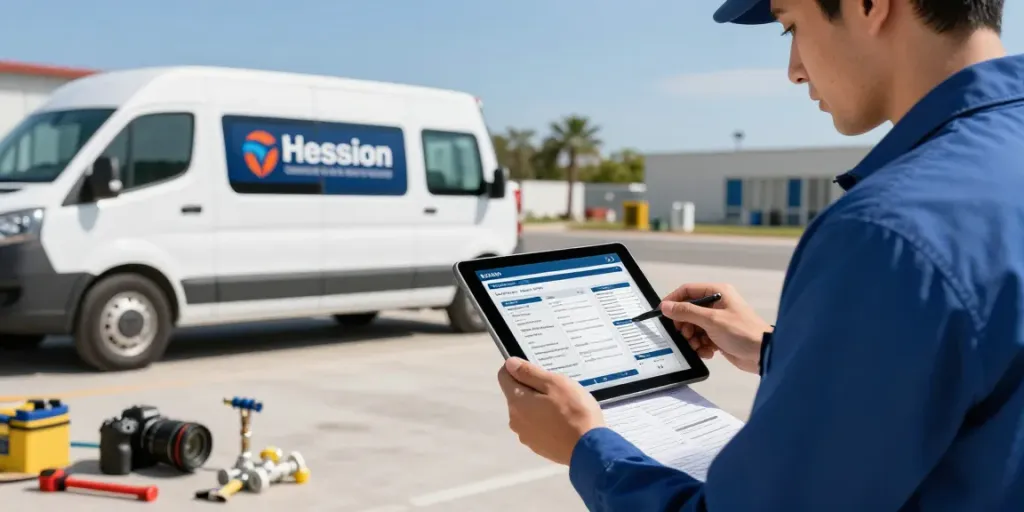
Understanding Plumbing Business Software
In today's fast-paced and competitive environment, plumbing businesses must leverage technology to streamline their operations, improve customer service, and enhance profitability. Plumbing business software encompasses a wide range of tools designed specifically for plumbing contractors, enabling them to manage various aspects of their business efficiently. From scheduling and dispatching to invoicing and customer relationship management, the right software can significantly reduce administrative burdens and improve overall productivity.
When exploring options, Plumbing Business Software provides comprehensive insights into the best tools available in the market today.
What is Plumbing Business Software?
Plumbing business software is specifically designed to meet the unique needs of plumbing companies. Unlike generic project management tools, it incorporates industry-specific features that address common challenges faced by plumbers, such as scheduling appointments, managing work orders, tracking inventory, and billing customers. By integrating these functionalities into a single platform, plumbing software enables contractors to operate more efficiently and effectively manage their day-to-day operations.
Key Features for Effective Management
- Job Scheduling: Automate appointment scheduling to improve service delivery and reduce no-shows.
- Dispatching: Coordinate field technicians more effectively through real-time tracking and communication tools.
- Invoicing and Payment Processing: Streamline the billing process with customizable invoices and various payment options.
- Customer Relationship Management (CRM): Maintain customer records and communication history to enhance customer service.
- Reporting and Analytics: Generate reports that provide insights into business performance and areas for improvement.
Benefits of Integrating Software into Plumbing Operations
The integration of plumbing business software can offer a multitude of benefits, including:
- Increased Efficiency: Automation reduces the time spent on administrative tasks, allowing teams to focus on delivering high-quality plumbing services.
- Improved Customer Satisfaction: Enhanced communication and swift service delivery lead to higher customer satisfaction rates.
- Better Financial Management: Accurate invoicing and up-to-date financial records facilitate better budgeting and cash flow management.
- Enhanced Collaboration: Team members can share information easily, improving inter-departmental communication and collaboration.
Choosing the Right Plumbing Business Software
Choosing the right plumbing business software is critical for the success of your operations. With numerous options available, it’s essential to assess the features, pricing, and user reviews thoroughly.
Comparing Popular Plumbing Software Options
There are various plumbing software options to consider, each with its own strengths:
- Jobber: Known for its user-friendly interface, Jobber offers scheduling, invoicing, and client management tools that cater well to small and medium-sized plumbing businesses.
- ServiceTitan: Ideal for larger operations, this comprehensive platform includes advanced features such as call tracking and marketing automation.
- Housecall Pro: This mobile-friendly option is popular for its ease of use and ability to manage both residential and commercial plumbing services.
- FieldPulse: Offers flexibility for small teams with features like job management, scheduling, and customer communication tools.
Costs and Pricing Models for Small Businesses
The cost of plumbing business software can vary widely based on features and the size of your business. Most platforms offer subscription-based pricing models, generally ranging from $6 to $40 per user per month. Some software solutions may offer tiered pricing based on the number of features you select or the size of your team. It's essential to evaluate your specific needs to choose a solution that provides the best value for your money.
Customer Reviews and Ratings Analysis
Customer feedback is invaluable when selecting plumbing software. Checking ratings on platforms like G2, Capterra, and Trustpilot can provide insight into the user experience. Look for consistently high ratings and read through user reviews to identify both strengths and weaknesses of the software.
Implementing Plumbing Business Software
Once you have selected the right plumbing business software, implementing it successfully is crucial for maximizing its potential benefits.
Step-by-Step Installation Guide
Follow these steps to ensure a smooth installation:
- Research Requirements: Review the technical requirements of the software to ensure compatibility with your existing systems.
- Plan Data Migration: Prepare to transfer existing customer and project data into the new system.
- Set Up User Accounts: Create individual accounts for team members with appropriate access levels.
- Perform Initial Setup: Configure settings such as notifications, reporting preferences, and user-specific features.
- Conduct Testing: Test the software with a small group of users to identify any issues before full rollout.
Training Staff to Use Plumbing Software Efficiently
Implementing new software can lead to initial resistance from employees. Providing adequate training is essential to ensure that all team members are comfortable using the new tools. Consider the following:
- Organize hands-on training sessions with an expert or vendor.
- Create user manuals or guides that team members can refer to.
- Establish a support system for employees to ask questions and receive assistance.
- Encourage feedback to improve the training process continuously.
Common Challenges and Solutions
While integrating new plumbing software can lead to significant benefits, common challenges might include:
- Resistance to Change: Encourage a culture of adaptability by highlighting the benefits of the new system.
- Data Migration Errors: Ensure thorough checks during the data transfer process to avoid losing vital information.
- Technical Issues: Stay in contact with the software provider for quick resolution of any technical problems.
Maximizing the Benefits of Plumbing Business Software
To get the most out of your plumbing business software, it's crucial to implement best practices that leverage the software’s features effectively.
Tracking Performance Metrics and Analytics
Utilize the reporting capabilities of your plumbing software to track key performance indicators (KPIs) such as:
- Job completion rates
- Customer satisfaction scores
- Revenue per technician
- Average job duration
Regularly analyzing these metrics can help identify trends and areas needing improvement.
Streamlining Operations with Automation Tools
Many plumbing business software solutions come with automation features aimed at simplifying repetitive tasks. Consider automating:
- Appointment reminders to customers, reducing no-shows.
- Follow-up emails after service completion for feedback collection.
- Invoicing processes to ensure timely payments.
Real-World Case Studies of Successful Implementation
Several plumbing companies have successfully transformed their operations through effective use of plumbing business software. For instance, a mid-sized plumbing contractor increased revenue by 30% within a year after implementing a comprehensive scheduling and invoicing system. By automating their processes, they not only saved time but also improved customer service and satisfaction levels.
Future Trends in Plumbing Business Technology
The plumbing industry is on the brink of significant technological advancements that promise to further streamline operations and enhance customer service.
Emerging Features in Plumbing Software for 2026
By 2026, we can expect plumbing software to incorporate:
- Enhanced AI Integration: Tools that can predict equipment failures and automate routine tasks.
- Mobile Accessibility: Improved mobile interfaces for on-the-go access to manage appointments and communicate with customers.
- Cloud-Based Solutions: Increased reliance on cloud technology for better data accessibility and collaboration among team members.
The Role of AI and IoT in Plumbing Management
Artificial intelligence and the Internet of Things (IoT) are set to revolutionize plumbing management by enabling smart home integrations. For example, smart plumbing systems can alert homeowners about leaks, allowing contractors to respond swiftly, thereby enhancing customer satisfaction and reducing potential damages.
Preparing for Future Challenges in the Plumbing Industry
As technology evolves, plumbing businesses must stay adaptable to embrace new tools and processes. Continuous learning, regular training, and a proactive approach to technology will be vital in maintaining competitiveness in the market.